
Top 10 things hire interior designer In Noida
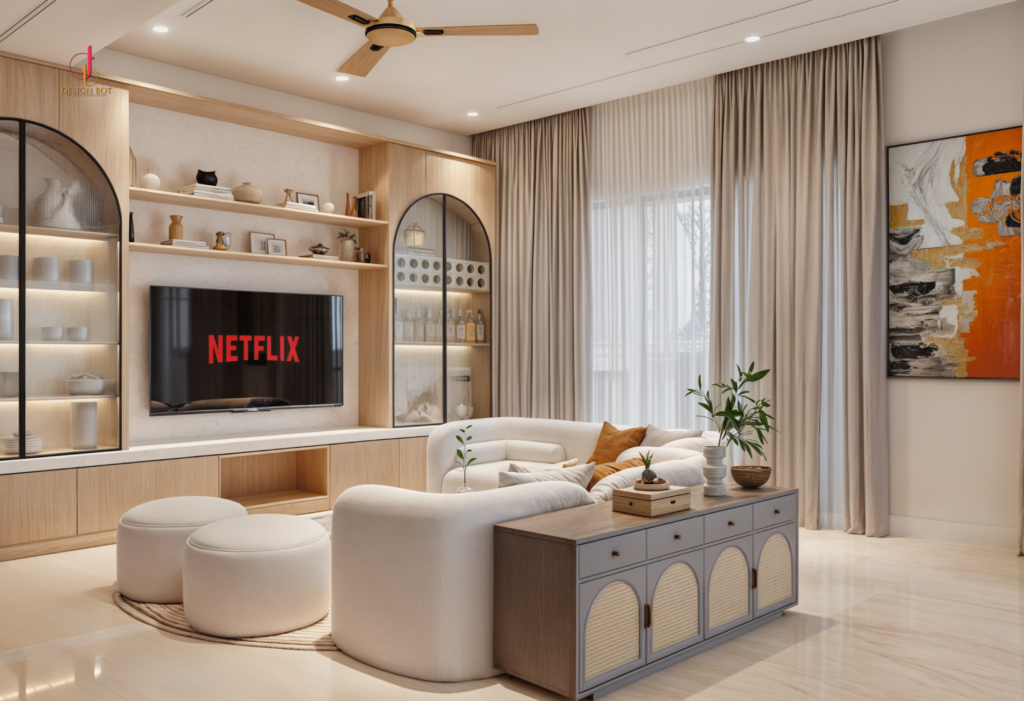
Interior Design Guide Top 10 Things to Keep in Mind Before Hiring an Interior Designer in Noida A well-planned space looks effortless, but requires detailed planning before execution begins. Hiring an interior designer is usually one of those decisions people make once every several years, which means most people are figuring it out for the first time, under time pressure, with a budget they’re already slightly nervous about. That combination is exactly why so many projects go sideways — not because anyone did anything obviously wrong, but because a few basic questions never got asked at the start. If you’re about to hire an interior designer in Noida, here are the ten things actually worth thinking through before you sign anything. 01. Get Clear on What You Actually Need “I want my home redone” means something different to almost everyone who says it. Before you meet a designer, get specific with yourself first. Is it the whole apartment, or just the kitchen and one bedroom? Are you open to moving walls, or does the layout need to stay exactly as it is? A vague brief leads to a vague quote, and a vague quote almost always turns into a surprise later. 02. Look at Real Past Projects, Not Just the Best Photos Every designer’s portfolio shows their best work — that’s normal. What’s worth digging into is whether those projects resemble your situation. A stunning 4,000 square foot villa doesn’t tell you much if you’re working with a compact 2BHK. Ask specifically for projects similar in scale and budget to yours, and if possible, ask to see one in person rather than only in photographs. 03. Understand Whether They Do Design, Execution, or Both This one trips up more people than almost anything else on this list. Some designers only provide drawings and a material list, leaving you to find and manage a contractor separately. Others run the whole project, from design through to handover — commonly called a turnkey solution. Neither approach is wrong, but you need to know which one you’re getting, because the amount of coordination left on your plate is completely different between the two. Turnkey solutions mean one team handles both the design vision and the on-ground execution. 04. Ask for a Detailed Cost Breakdown, Not a Round Number “Around 8 lakhs” tells you almost nothing. A proper estimate should break down costs by category — civil work, carpentry, electrical, materials, designer fees — so you can see where the money is actually going. This also makes it much easier to compare quotes from different designers, since a low number with vague inclusions can end up costing more once the gaps show up mid-project. 05. Talk About Timeline Honestly, Including Delays Every project has some risk of running late — material delays, approval delays, unexpected site issues. What matters is whether the designer is upfront about this instead of promising an unrealistic date just to win the project. Ask how they handle delays when they happen, and whether there’s a system for keeping you updated rather than finding out weeks later that something’s behind schedule. 06. Check Who’s Actually Responsible if Something Goes Wrong If a cabinet arrives damaged, if a wall colour doesn’t match what was approved, if a plumbing point ends up in the wrong spot — who fixes it, and at whose cost? This should be clear before work starts, not figured out in the middle of an argument. A designer who can answer this clearly, without hesitation, is usually one who’s handled these situations before and has a process for them. 07. Ask How Involved You’ll Need to Be Some clients want to be consulted on every material choice. Others would rather approve a design once and see the finished result. Be honest with yourself about which one you actually are, and make sure the designer’s working style matches. A mismatch here — a designer who expects weekly sign-offs paired with a client who wants minimal involvement — tends to create friction that has nothing to do with the actual design. 08. Understand How 3D Visualisation Is Used Most designers today offer some form of 3D visualisation, but the depth varies a lot. Some show a rough render of the living room and call it done. Others walk you through every space — kitchen, bedrooms, bathrooms — in enough detail that you can actually picture materials and lighting before anything is built. The more of your home you can see in 3D beforehand, the fewer surprises you’ll run into once construction starts. Seeing detailed 3D views helps avoid costly changes once material procurement begins. 09. Ask About Material Quality, Not Just Material Names “Plywood” and “laminate” aren’t specific enough — there are several grades of each, with real differences in durability and price. A good designer should be able to tell you exactly which grade or brand they’re specifying and why, not just the general material category. This detail matters more than it seems, since it’s usually where corners get quietly cut if a project runs over budget. 10. Trust How They Listen, Not Just How They Pitch By the end of a first meeting, you’ll usually know whether a designer was actually listening to your specific situation or running through a standard pitch they give everyone. The best interior designers in Noida — or anywhere, really — tend to ask more questions than they answer in that first conversation. That’s usually a good sign they’re planning around your actual home, not a generic template with your name attached to it. Why This List Matters More Than It Seems None of these ten points are complicated on their own. But skipped together, they’re exactly how projects end up over budget, behind schedule, or finished in a way that doesn’t quite match what the client actually pictured. Getting clarity on all ten before signing anything takes maybe two or three extra conversations — a small amount of time against a project